Blog
Used Japanese Truck Buying Checklist: Photos, Condition and Inspection

Buying a used Japanese truck online is easier when you have a clear list of questions. Photographs, videos and inspection records can help you understand the vehicle, but each piece of evidence has limits. Use this checklist to request useful information and compare trucks consistently before making a decision.
Confirm the vehicle’s identity
Record the listing reference, make, model, year and chassis number. Check that the photographs and any available inspection documents relate to that same vehicle. Ask for clarification if the year, mileage or specification differs between the listing and supporting information. Keep a copy of the vehicle description and the written quotation.
Request a complete set of photographs
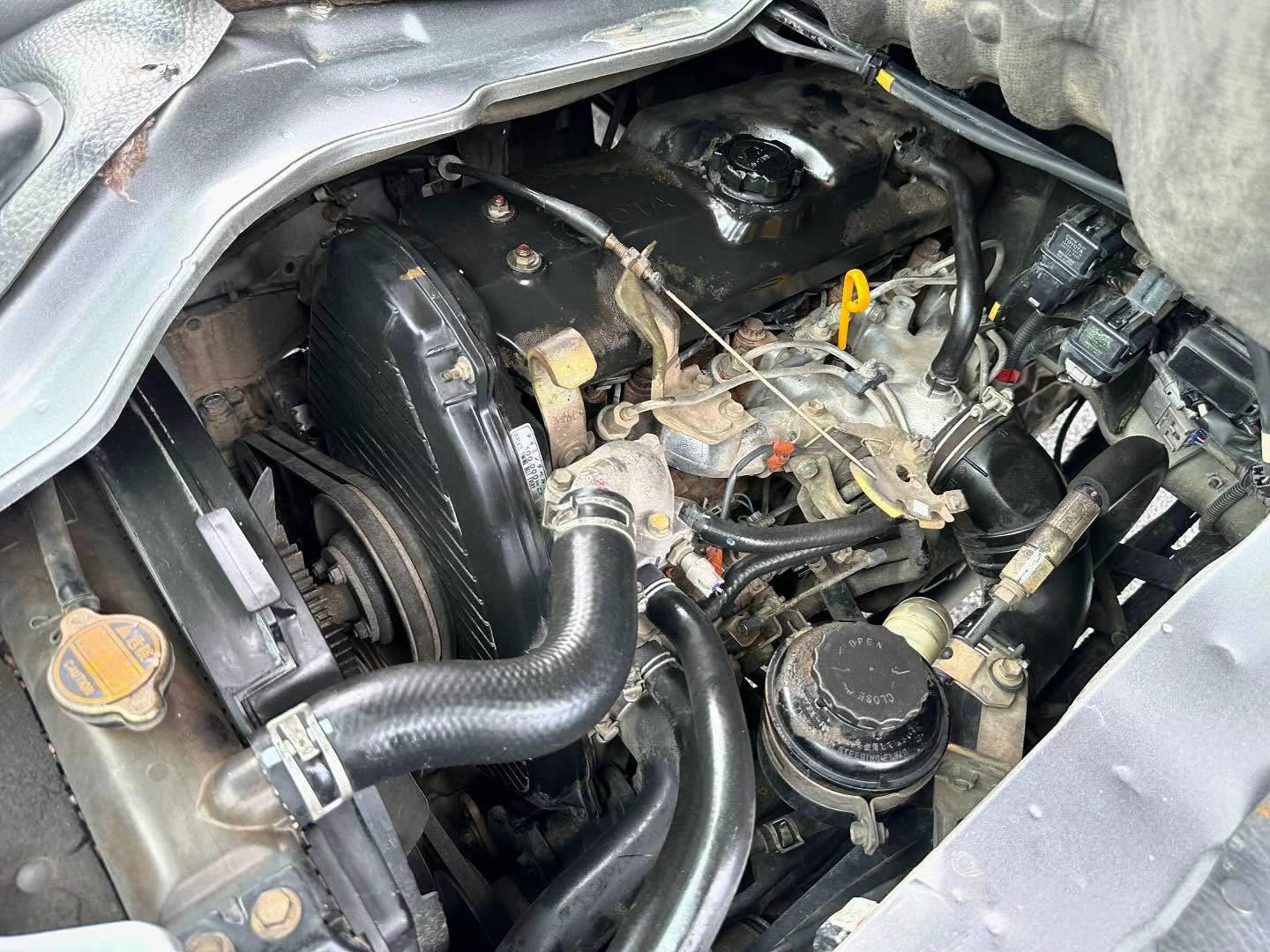
Ask for all sides of the truck, the cab interior, dashboard, engine bay, cargo area and underside. Close-up photographs are useful for visible corrosion, dents, leaks or previous repairs. Include the cab floor, chassis and areas where the body is attached. A freshly painted panel or a clean engine bay should prompt questions about the work performed, rather than replace a condition assessment.
Ask for a cold-start video
A video showing the vehicle before starting, the dashboard during startup and the engine running can answer some questions about its operation. Ask whether the engine was already warm. Request a clear description of any warning lights, unusual noises or visible smoke. Video evidence supports an assessment; it does not replace a hands-on inspection by a qualified person.
Review drivetrain and fitted equipment
Confirm fuel type, transmission and whether four-wheel drive is fitted. Where practical, request a demonstration of the relevant controls. Ask about clutch or transmission behaviour and any known leaks. Check listed features such as air conditioning, power windows, dump-bed hydraulics, winches or cranes individually. Fitted equipment should not be assumed to be working simply because it appears in a photograph.
Look beyond the odometer
Ask what service history or maintenance records are available. Compare the stated mileage with the overall condition and documented history, without assuming that low mileage proves good condition. An older vehicle may need age-related maintenance even if it has covered relatively few kilometres. Request information about tyres, brakes, suspension and the last known service.
Understand the inspection report
A useful report identifies the vehicle, inspection date, inspecting party, checks performed and any findings or limitations. Ask which items were measured, which were visually checked and which could not be assessed. A general pass label is less informative than the actual findings. Keep inspection information separate from promises about future reliability or suitability for a particular task.
Put known repairs and costs in writing
Ask the seller to describe known faults and any repairs agreed before shipment. Specify what will be repaired, what evidence will be supplied and whether the work is included in the price. Request a quotation that clearly separates the vehicle, transport and any additional services. Keep your planned maintenance and modifications in the budget as well.
Your final enquiry checklist
- Vehicle reference and matching chassis details
- Clear exterior, interior and underside photographs
- Startup and equipment videos where available
- Service history and known faults
- Inspection findings, date and limitations
- Written details of included services and agreed repairs
Use this checklist alongside an independent inspection where possible. Browse our current truck and vehicle inventory and contact Banned Japan Trucks with the listing reference and the information you would like to review.