Blog
How to Choose a Kei Truck for Your Farm or Property

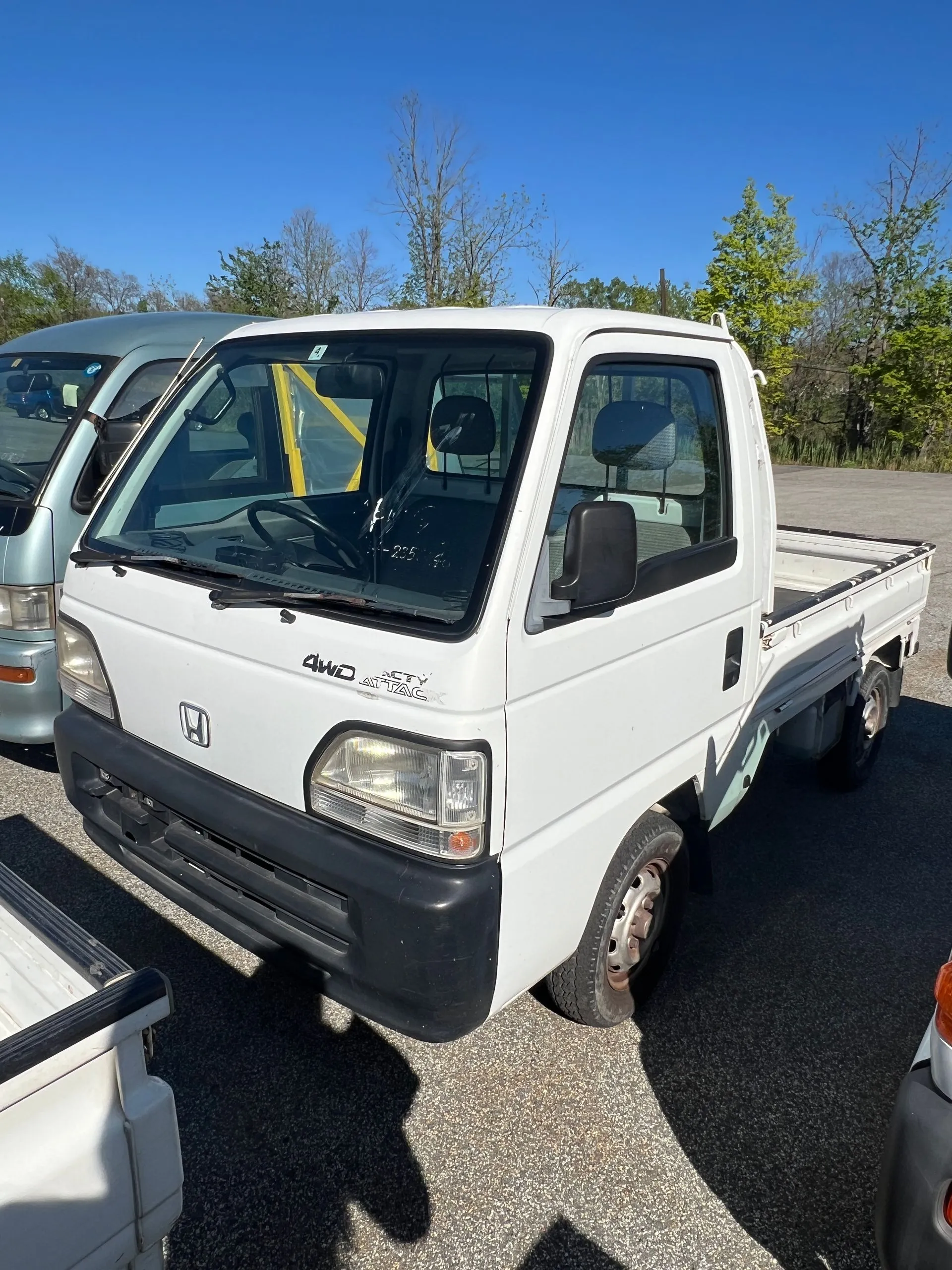
A kei truck can be a useful way to move tools, supplies and materials around a property. When comparing Japanese kei trucks for sale, start with the job you need the vehicle to do. The right truck is the one whose condition, dimensions and equipment fit your daily work.
1. Write down your regular jobs
List what you carry, where you drive and how often you unload. Measure gates, storage spaces and narrow access routes. Think about the weight of your usual load, including passengers and tools, then compare that with the specific vehicle’s rated capacity. A small footprint does not mean every kei truck has the same payload or bed dimensions.
2. Choose the bed before the badge
A standard flat bed is worth considering for equipment, feed and general supplies. A dump bed may suit jobs involving loose material, but ask for a demonstration of its lifting system and check its condition. A canopy or enclosed body offers a different type of storage, with its own dimensions and loading access. Check the actual listing rather than assuming a body style includes a particular feature.
3. Check the drivetrain and controls
If your routes include uneven or slippery ground, compare trucks with four-wheel drive. Ask which system is fitted, how it engages and whether its operation has been checked. Low-range gearing and differential locks are separate features; they should only be treated as included when documented for that truck. Decide whether a manual or automatic transmission suits the people who will drive it.
4. Compare makes using individual listings
Our inventory includes vehicles from Honda, Suzuki, Daihatsu, Subaru and Mitsubishi. Use the Inventory menu to choose a make, then compare year, mileage, engine, transmission and equipment. Two trucks from the same manufacturer can have different cab layouts, drivetrains and condition. Avoid choosing only by brand reputation or the lowest advertised mileage.
5. Make sure the cab fits you
Ask about seat adjustment, pedal space and access into the cab. A photo cannot tell you exactly how comfortable a truck will feel for your height. Request measurements or a video showing the driving position if you cannot inspect it in person. Check that air conditioning, heating and other listed equipment operate as described.
6. Review condition and the complete budget
Request clear photographs of the underside, cab floor, bed and engine bay, along with any available inspection information. Ask what maintenance or repairs are known to be needed. Budget for the purchase, transport and any work you plan to do after arrival. Request a written quotation that identifies included services and any additional charges.
Build a shortlist
Choose two or three trucks that fit the job, then compare them side by side. For each one, record the listing reference, condition, equipment, price and unanswered questions. This makes your enquiry more useful and helps you avoid paying for features you will rarely use.
Browse our kei truck inventory or contact Banned Japan Trucks with the vehicle reference and the work you have in mind. If public-road use is part of your plan, confirm the applicable requirements with your local authorities before ordering.