Blog
Double Cab Truck Buying Guide: Seating, Bed Space and Capacity

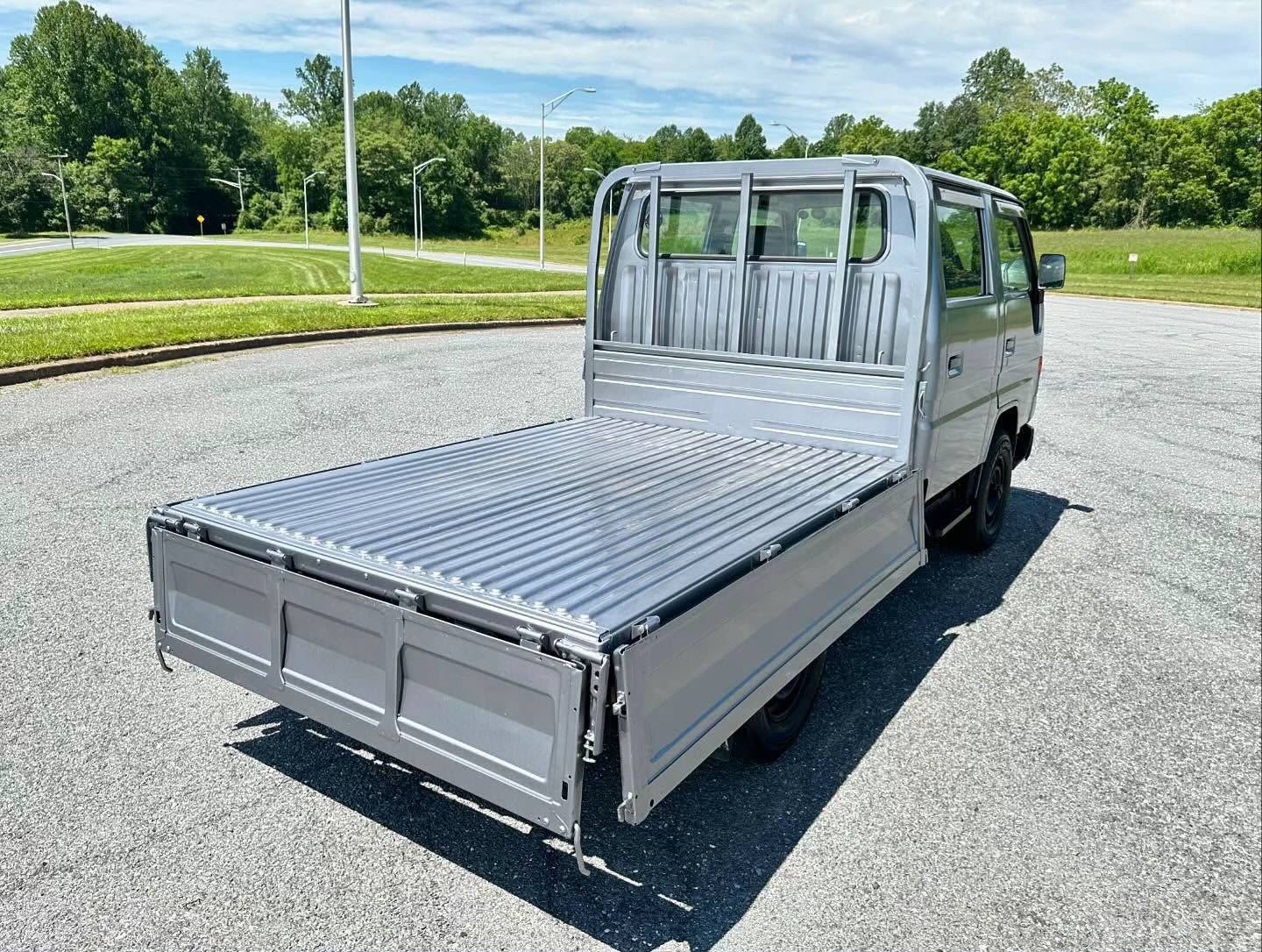
A double cab truck is worth considering when you need to carry people as well as equipment. The extra seating changes how the truck can be used, but it also makes cab space, cargo capacity and overall dimensions important parts of the buying decision. This guide gives you a practical way to compare double cab trucks for sale.
Start with the number of people you carry
Write down your usual passenger count and how frequently all seats will be occupied. Confirm the seating capacity of the specific truck, along with the condition of each seat and seat belt. Do not assume that every double cab has the same number of seats or the same amount of rear legroom. Request photographs of both rows and measurements where comfort is important.
Measure the space left for your load
Compare the actual bed length, width and loading height. A larger cab can affect the space available for cargo, depending on the chassis and body. Measure your longest tools, storage boxes or equipment before deciding. If you plan to add toolboxes, a canopy or other accessories, consider the space and weight they will take up.
Choose a body that suits the work
A flat bed may suit mixed equipment and supplies. A dump body may be useful when the job involves unloading loose materials. An enclosed or covered body changes loading access and storage. Ask about body condition, tailgate operation and any fitted equipment. Where a lifting mechanism is present, request a demonstration and available maintenance information.
Check capacity with passengers included
Ask for the vehicle’s documented load ratings and confirm how your intended load fits within them. Passengers, tools and accessories all affect the total weight carried. Avoid treating a model name or an advertisement’s general description as proof of the capacity of an individual truck. If a listing does not provide a rating, ask before ordering.
Match the drivetrain to your routes
Compare two-wheel-drive and four-wheel-drive listings according to the ground you expect to travel over. If four-wheel drive is listed, ask how it operates and whether its engagement has been checked. Confirm transmission type, engine and fuel type from the vehicle details. Equipment can differ between examples of the same model, so compare the exact trucks on your shortlist.
Look closely at the cab and chassis
Request photographs of the rear doors, cab floor, seat mountings, underside and the area beneath the cargo bed. Ask about visible corrosion, previous repairs and known faults. A clean exterior photograph is only one part of a condition assessment. Where available, review an inspection report tied to the vehicle’s chassis or listing reference.
Compare the full quotation
Keep the vehicle price, transport arrangements and planned repairs in one budget. Ask what the quotation includes and which items remain your responsibility. Before purchasing, confirm that the truck suits your intended use and that you can meet any local requirements relevant to that use.
Questions to send with your enquiry
- What are the seating capacity and rear cab measurements?
- What are the bed dimensions and documented load ratings?
- Which engine, transmission and drivetrain are fitted?
- What condition information and inspection records are available?
- What services and charges are included in the written quotation?
Explore our double cab inventory, then send us the listing reference and the jobs you need the truck to handle.